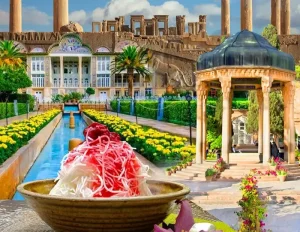
Isfahan: A Comprehensive Guide to Iran’s Cultural Gem
Nestled amidst the foothills of the Zagros Mountains in central Iran, Isfahan shimmers like a jewel, captivating visitors with its breathtaking architecture, rich history, and vibrant cultural tapestry. Renowned as the “City of Half the World” for its grandeur and magnificence, Isfahan flourished as the capital of the Safavid dynasty during the 16th and 17th centuries, earning it a UNESCO World Heritage Site designation. Today, this enchanting city beckons travelers seeking an immersive experience of Persian art, culture, and history.
Stay with us in this article
A Journey Through Time: Unveiling Isfahan’s Enduring Legacy
Isfahan’s story is an intricate blend of ancient and modern, its foundations laid over 2,500 years ago. The city has witnessed the rise and fall of empires, the flourishing of art and culture, and the enduring spirit of its people.
The Safavid Era: A Golden Age of Art and Architecture
Isfahan’s golden age dawned under the Safavid dynasty, which transformed the city into a dazzling capital, a beacon of art, architecture, and cultural refinement. Shah Abbas I, the third Safavid ruler, embarked on an ambitious architectural program, adorning the city with awe-inspiring mosques, palaces, and gardens. This flourishing era saw the construction of iconic landmarks such as:
Naqsh-e Jahan Square: This UNESCO World Heritage Site, the heart of Isfahan, epitomizes Safavid architectural brilliance. Its vast expanse is flanked by majestic structures like the Sheikh Lotfollah Mosque, Ali Qapu Palace, and Imam Mosque, each a masterpiece of intricate tilework, calligraphy, and design.
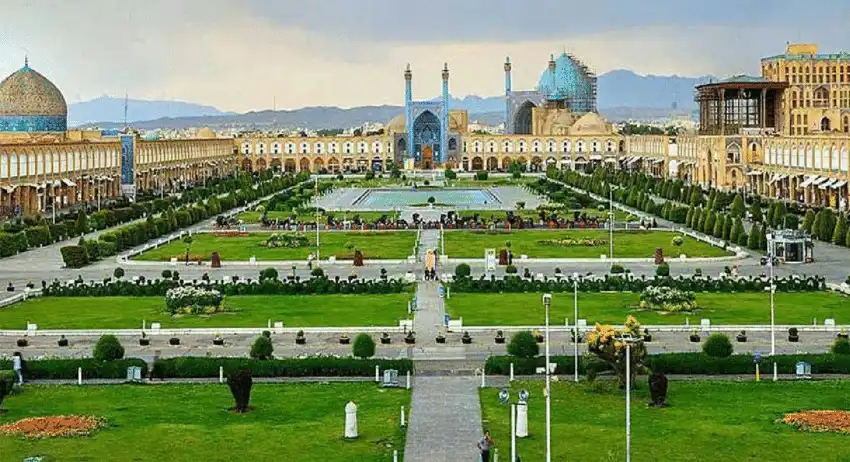
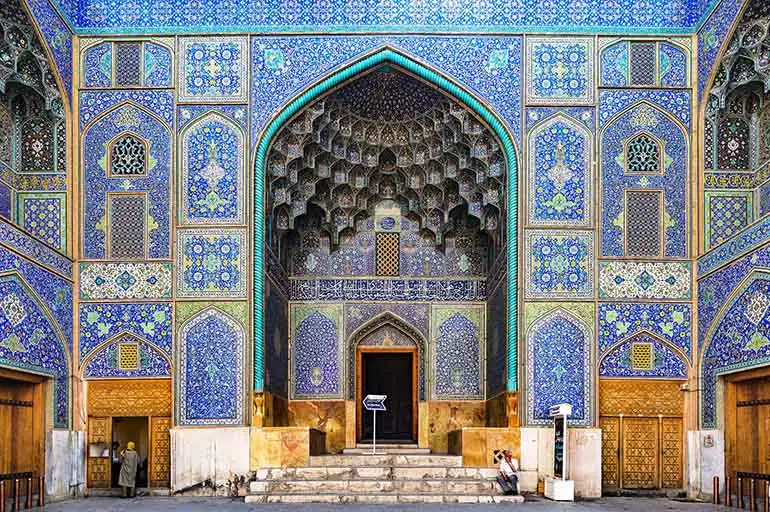
Sheikh Lotfollah Mosque: This architectural marvel, renowned for its mesmerizing interior dome, showcases the Safavids’ mastery of color and geometry. Its exquisite tilework, intricate patterns, and harmonious proportions create an atmosphere of spiritual serenity.
Ali Qapu Palace: This grand palace, once the ceremonial residence of Safavid rulers, stands as a testament to their opulence and taste. Its ornate facades, lavish interiors, and iconic music pavilion, Talar Safavi, offer a glimpse into the grandeur of Safavid court life.

Imam Mosque (Masjid-e Imam): This awe-inspiring mosque, also known as the Shah Mosque, is a masterpiece of Safavid architectural design. Its towering minarets, majestic dome, and intricate tilework exude an aura of grandeur and spiritual devotion.
Beyond the Grand Monuments: Exploring Isfahan’s Cultural Gems
Isfahan’s allure extends beyond its grand monuments, as its narrow winding streets, bustling bazaars, and hidden gems reveal the city’s vibrant soul.
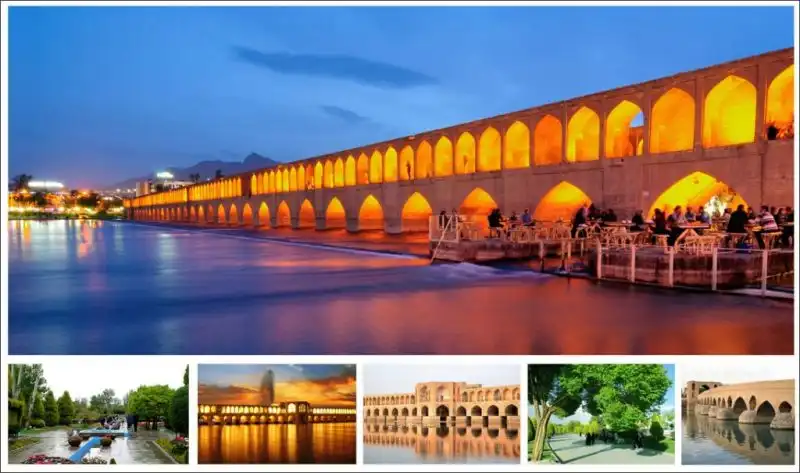
Bridges of Isfahan: The city is renowned for its iconic bridges, each a testament to Safavid engineering and artistic flair. Stroll across the graceful arches of Si-o-Seh Pol, admire the grandeur of Khaju Bridge, and capture the romantic ambiance of Pol-e Shahrestan.
Experiencing Isfahan’s Cultural Tapestry (Continued)
Persian Cuisine: Indulge in the delectable flavors of Persian cuisine, a symphony of aromas, spices, and culinary artistry. Savor the delicate flavors of biryani, the succulent lamb shank known as ghormeh sabzi, and the fragrant sweetness of Persian stews like khoresh fesenjān.
Naghsh-e Jahan Square: A Hub of Activity
Naqsh-e Jahan Square, the heart of Isfahan, pulsates with life throughout the day. Watch traditional tea ceremonies unfold, admire street performers showcasing their artistry, and savor the flavors of local street food. As dusk descends, the square transforms into a mesmerizing spectacle, illuminated by the warm glow of lanterns and the captivating sounds of traditional music.
Isfahan: A City of Enduring Charm
Isfahan’s allure lies not only in its grand monuments and vibrant culture but also in its warm and welcoming spirit. The city’s inhabitants, known for their hospitality and genuine kindness, add a touch of authenticity to the Isfahan experience.
Tips for Planning Your Isfahan Adventure
To fully immerse yourself in the magic of Isfahan, consider these tips:
Best Time to Visit: Spring (March-May) and autumn (September-November) offer pleasant weather and fewer crowds.
Getting Around: Isfahan is easily navigable on foot, but taxis and ride-hailing services are also readily available.
Accommodation: A wide range of hotels, guesthouses, and traditional inns cater to diverse budgets and preferences.
Respectful Attire: As a predominantly Muslim country, Iran values modest attire. Avoid revealing clothing, especially in religious sites.
Cultural Sensitivity: Be mindful of local customs and traditions. Learn a few basic Persian phrases to enhance your interactions with locals.
Isfahan awaits, ready to unveil its treasures to those who seek its beauty, culture, and enduring charm. Embrace the city’s vibrant spirit, wander through its enchanting streets, and discover the true essence of Persian hospitality. As you immerse yourself in Isfahan’s rich tapestry, you’ll create memories that will last a lifetime.