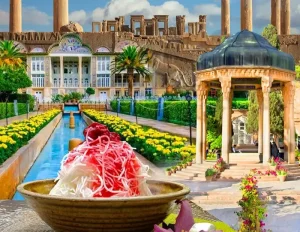
Persepolis
Perched amidst the plains of Marvdasht in Fars Province, Iran, Persepolis stands as a testament to the grandeur and magnificence of the Achaemenid Empire. This awe-inspiring complex, serving as the ceremonial capital of the Achaemenids from 518 to 330 BCE, epitomizes the architectural prowess, artistic mastery, and cultural richness of this ancient civilization. Today, Persepolis stands as a UNESCO World Heritage Site, captivating visitors with its intricate reliefs, towering columns, and enduring legacy.
Stay with sightsiran in the rest of the article.
Unveiling the History of Persepolis
The story of Persepolis is intricately woven with the rise and fall of the Achaemenid Empire. Founded by Cyrus the Great, the empire stretched from the Indus River in the east to the Aegean Sea in the west, encompassing a vast array of diverse cultures and peoples. Seeking to establish a permanent capital that reflected the empire’s power and glory, Cyrus initiated the construction of Persepolis in 518 BCE.
Darius I, Cyrus’s successor, continued the grand project, expanding the site and infusing it with his own architectural vision. Over the next two decades, Persepolis flourished, becoming a hub of administrative, ceremonial, and cultural activities. Emperors hosted lavish festivals, celebrated victories, and received envoys from far-flung corners of the empire within its opulent palaces.
However, the grandeur of Persepolis was not destined to last. In 330 BCE, Alexander the Great conquered the Achaemenid Empire, leading his troops to Persepolis. The city was set ablaze, marking the end of an era and leaving behind a poignant reminder of the empire’s ephemeral nature.
Exploring the Architectural Marvels of Persepolis
Despite its destruction, Persepolis remains an architectural marvel, showcasing the Achaemenids’ mastery of design and construction. The complex is situated atop a towering stone platform, accessible by a grand staircase adorned with reliefs depicting processions of dignitaries and soldiers.
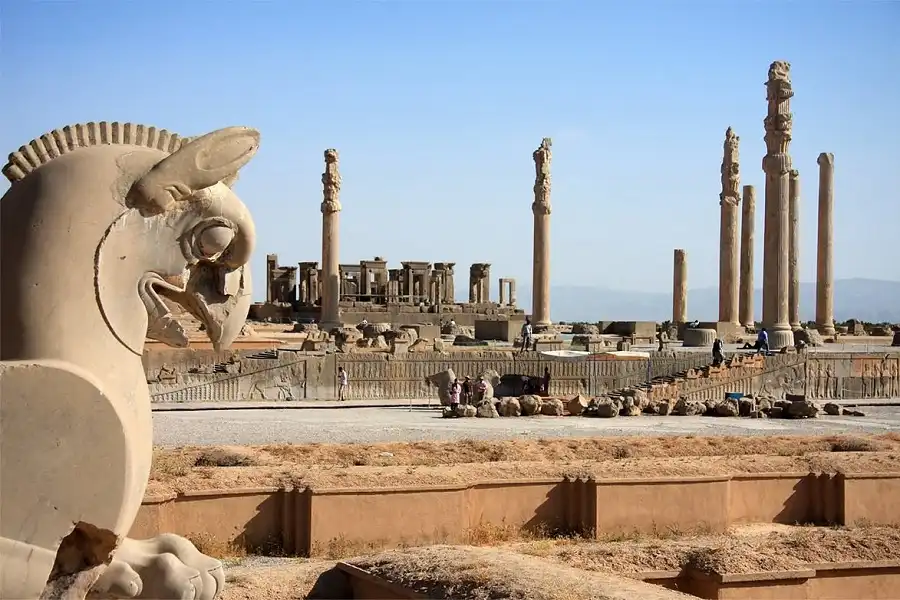
The Apadana Palace: The heart of Persepolis, the Apadana Palace, stands as a testament to Achaemenid architectural brilliance. Its colossal hypostyle hall, supported by 72 slender columns, served as the venue for grand ceremonies and receptions. Intricate reliefs adorning the palace walls depict scenes of tribute bearers from various provinces of the empire, symbolizing the empire’s vastness and diversity.
The Tripylon Gate: Marking the entrance to the royal complex, the Tripylon Gate, or Gate of All Nations, features three monumental doorways, each representing a different continent of the Achaemenid Empire. Reliefs above each doorway showcase representatives from the empire’s diverse ethnicities, paying homage to the empire’s multicultural tapestry.
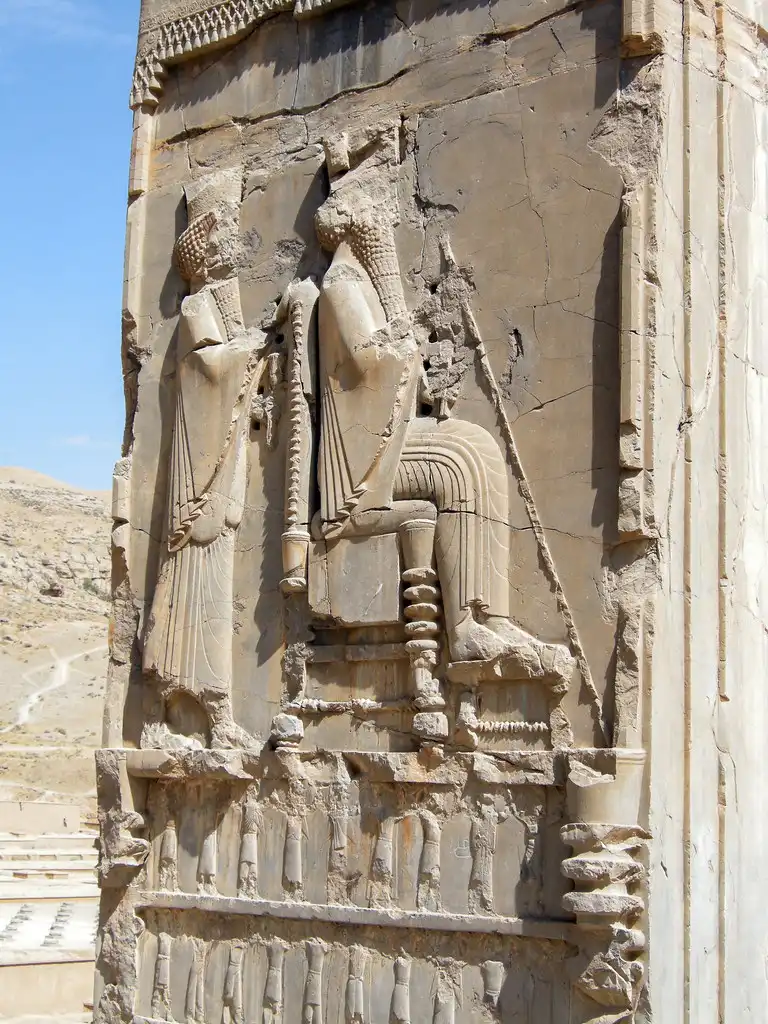
The Tachara Palace: Adjacent to the Apadana Palace, the Tachara Palace, also known as the Audience Hall, served as a private reception area for emperors to meet with foreign dignitaries. Its walls are adorned with exquisite reliefs depicting scenes of royal audiences and processions, offering a glimpse into the ceremonial grandeur of the Achaemenid court.
The Treasury: The Treasury, located deep within the heart of Persepolis, once held the vast riches of the Achaemenid Empire. While the treasures were plundered by Alexander the Great’s forces, the Treasury’s imposing structure remains, echoing the opulence and power of the empire.
The Hundred Columns Palace: With its 100 towering columns, the Hundred Columns Palace stands as a testament to Achaemenid engineering prowess. Its vast hypostyle hall once hosted grand banquets and gatherings, reflecting the empire’s wealth and hospitality.
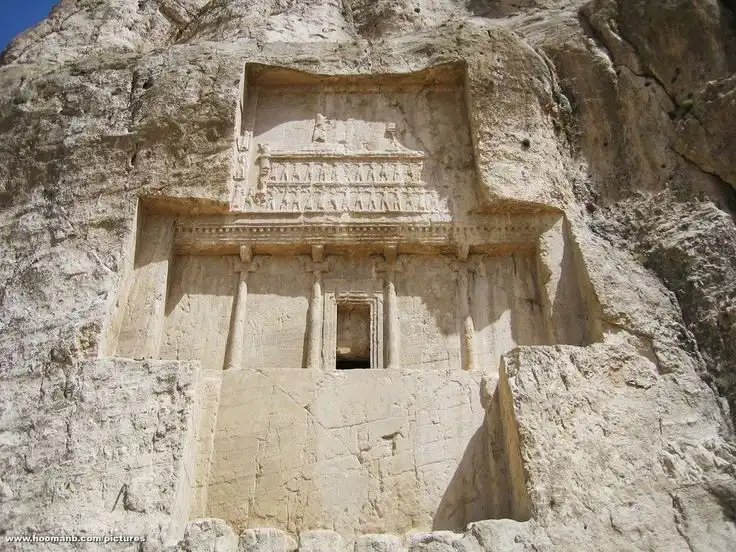
The Tomb of Darius I: Nestled high atop a mountain cliff overlooking Persepolis, the Tomb of Darius I stands as a poignant reminder of the empire’s enduring legacy. This intricately carved rock tomb, believed to house the remains of Darius the Great, symbolizes the Achaemenids’ reverence for their ancestors and their belief in the afterlife.
Persepolis
Delving into the Reliefs and Sculptures of Persepolis (Continued)
Religious Symbolism and Mythology: Mythological figures and divine symbols are also prevalent in the reliefs of Persepolis. Winged bulls, representing the protective deities Ahura Mazda and Apam Napat, flank doorways and stand sentinel over the complex. These reliefs reflect the Achaemenids’ reverence for their religion and their belief in the divine order of the universe.
Cultural Exchange and Artistic Influences: The reliefs and sculptures of Persepolis also showcase the empire’s cultural diversity and the influence of neighboring civilizations. Elements of Egyptian, Greek, and Mesopotamian artistic styles can be discerned in the intricate carvings, reflecting the empire’s cosmopolitan character and its interactions with other cultures.
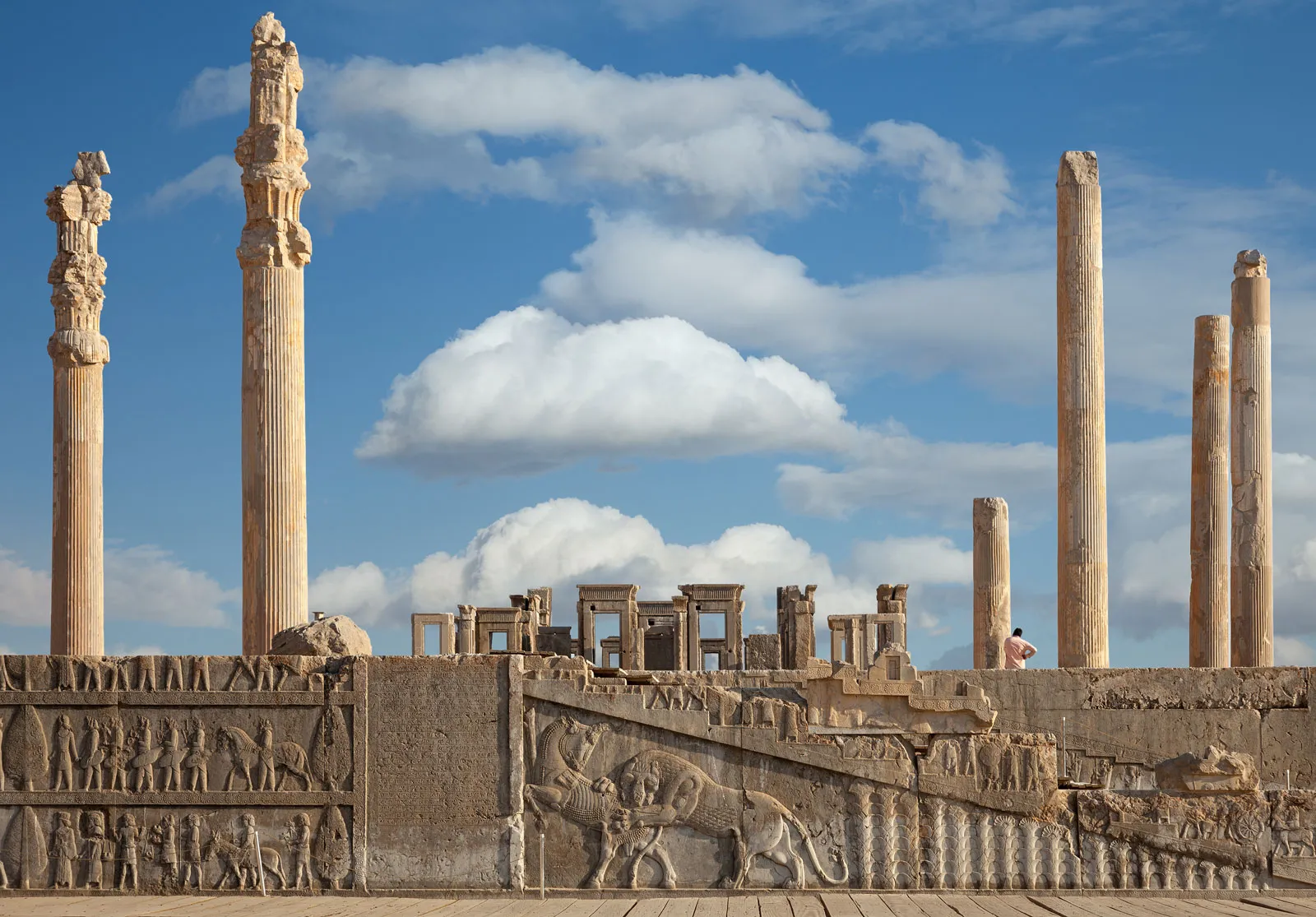
A Legacy of Artistic Expression: The reliefs and sculptures of Persepolis stand as a testament to the artistic mastery and cultural richness of the Achaemenid Empire. These enduring artworks continue to captivate visitors today, offering a glimpse into the lives, beliefs, and values of an ancient civilization that once held sway over a vast swathe of the world.
The Enduring Legacy of Persepolis
Despite its destruction by Alexander the Great, Persepolis has endured as a powerful symbol of Iranian history and culture. The site’s enduring legacy is evident in its designation as a UNESCO World Heritage Site in 1979, drawing visitors from around the globe to marvel at its architectural marvels and immerse themselves in its rich history.
Persepolis serves as a poignant reminder of the grandeur and achievements of the Achaemenid Empire, a civilization that left an indelible mark on the course of human history. Its towering columns, intricate reliefs, and enduring legacy continue to inspire awe and wonder, making it an essential destination for anyone seeking to understand the rich tapestry of Iran’s past.
Conclusion
Persepolis stands as a testament to the enduring power of human creativity and the enduring legacy of ancient civilizations. Its architectural wonders, exquisite reliefs, and captivating history continue to inspire and enthrall visitors, making it a UNESCO World Heritage Site of unparalleled significance. As we explore the ruins of Persepolis, we are transported back in time, gaining a deeper appreciation for the achievements of the Achaemenid Empire and the profound impact it had on the world.